Search Sovereign

E-Bikes Are Part of Work Now: Six Checks for Safe Charging
 8 minute read
E-Bikes Are Part of Work Now: Six Checks for Safe Charging
By: Sovereign Insurance | Featuring Matthew Harwood
Share:
E-bikes and e-scooters have quietly become part of the workday. Employees ride them in, couriers rely on them for deliveries and tenants bring them home. How and where people charge their batteries matters, and that's the focus of this year's Fire Prevention Week™ (October 4 to10) theme, "Charge into Fire Safety™: Safe Charging Is a Superpower." Most safe-charging advice is written for homes, so our Risk Engineering team has put together six simple checks to help keep charging safe at work.
\What's changed this year?
As of September 9, 2026, Toronto emergency crews had responded to 97 incidents involving lithium-ion batteries this year, with 14 injuries. That's already more than the 91 recorded in all of 2025, and most involved e-bikes, e-scooters and other e-mobility devices. On September 6 alone, two fires possibly linked to e-bikes broke out within hours of each other: one in a north-end alleyway, the other in an east-end apartment building. Similar increases are being seen across the country.
Why are e-bike fires hard to control?
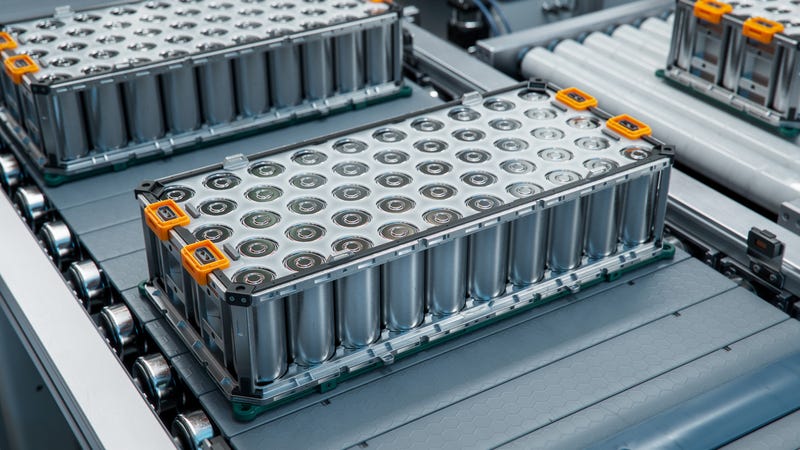
Most e-bike and e-scooter fires start in the battery. The main hazard is thermal runaway: the temperature and pressure inside the battery build faster than the heat can escape. Physical damage, a short circuit, improper charging, external heat or extreme temperatures can all set it off. The battery can then release flammable and toxic gases, and the fire spreads quickly. Because the battery is dense with many cells and enclosed, it is hard to put out and can reignite, so prevention matters more than response.
Where does charging happen at work?
Rarely where anyone planned it. Look for batteries on charge in:
- Bike rooms and underground parking: e-bikes and e-scooters left for the day
- Loading docks and courier staging areas: delivery e-bikes topped up between runs
- Residential units and hallways: tenants' own devices, for property managers
- Offices and break rooms: wherever there's a free outlet
- Tool rooms, warehouses and job trailers: power tools, scanners and other rechargeable equipment
These spaces are often unsupervised after hours, close to exits or next to combustible packaging and waste. A walk-through to see what devices are present and where they are plugged in is the best first step.
Six checks for safe charging at work
- Charge in a designated spot. Use a sturdy, non-combustible surface in a well-ventilated area, at least 1 m from combustibles and clear of exits.
- Put detection where charging happens. Install smoke or heat detection in charging locations, ideally monitored through a fire alarm system.
- Use certified, manufacturer-approved equipment. Batteries and chargers should come from the original manufacturer and carry a recognized safety mark such as ULC or UL. Check for recalls before buying or reusing equipment.
- Charge only when someone is there. No overnight or unattended charging. Unplug devices once they're full.
- Store spare batteries safely. For long-term storage, keep them below 50% charge, between 4°C and 27°C, away from exits and heat sources.
- Spot and isolate damage. Swelling, heat, hissing, leaking or an unusual odour means stop. Don't use or charge the battery; isolate it in a metal container with a tight-fitting lid, away from combustibles.
For e-bike retailers, fleets and warehouses: storage and disposal
For warehouses, distributors, retailers and repair shops that hold battery stock:
- Keep batteries on pallets or in piles at least 3 m from combustibles, clear of exits and without blocking sprinkler coverage. Do not store in a rack under other stored items.
- Store combustible waste separately, and inspect storage, charging and disposal areas daily.
- Take extra care with returns, which may arrive damaged or stressed from transport. A temperature rise of 3°C or more can signal a serious problem: report it right away.
- Cover the terminals of used batteries, place them in lidded metal containers at least 3 m from combustibles and 1.5 m from exits, and arrange pickup by an approved disposal provider.
- Keep containers of damaged batteries outside, at least 3 m from the building and exits.
For large quantities, a secure, controlled storage area or an outdoor location reduces the risk further.
Common questions
Why are e-bikes a growing fire risk at work? E-bikes and e-scooters are now part of the workday. Employees commute on them, couriers deliver on them and tenants store them at home, and their batteries are often charged wherever there's a free outlet. Many riders keep a second charger at work, often an aftermarket one. As of September 9, 2026, Toronto had recorded 97 lithium-ion battery incidents this year, most involving e-mobility devices. The same charging habits apply to tools and other equipment charged on site.
What is thermal runaway? Thermal runaway happens when the temperature and pressure inside a battery rise faster than the heat can escape. It can be triggered by physical damage, a short circuit, improper charging, external heat or extreme temperatures. The battery can release flammable and toxic gases, and the fire spreads quickly from cell to cell. It is difficult to extinguish and can reignite, so prevention matters more than response.
Should businesses allow employees to charge e-bikes at work? Yes, with clear rules. Provide a designated charging area, allow only certified equipment and limit charging to hours when the area is occupied. Install heat or smoke detection in this area. If a business can't meet those conditions, ask employees to charge at home instead. Either way, put the decision in writing so everyone knows what's expected.
What should a workplace charging policy include? Keep it short and practical. Cover where charging is allowed, what equipment is accepted (manufacturer-approved batteries and chargers with a ULC or UL mark), when charging is permitted, where devices and spare batteries may be stored, and who to tell if a battery looks damaged. Share it with employees, contractors, couriers and tenants, and review it whenever your operations or occupants change.
How can you tell if a battery or charger is certified? Look for a ULC or UL mark on the battery, the charger and the packaging. When buying e-bikes or charging equipment, ask the supplier for certification to UL 2849 (e-bike electrical systems) or UL 4900 (micromobility charging equipment). Buy replacement batteries and chargers from the original manufacturer, since low-cost aftermarket parts often aren't certified. Before buying or reusing any equipment, check for recalls.
How should businesses store spare or stock batteries? Store spare and stock batteries below 50% charge, between 4°C and 27°C. Keep them away from exits. On pallets or in piles, keep them at least 3 m from combustibles. Don't block sprinkler coverage, keep combustible waste separate, and inspect storage areas daily. For larger quantities, a secure, controlled storage area or an outdoor location reduces the risk further.
What should you do if a battery is swollen or damaged? Stop using it and don't charge it. Warning signs include swelling, heat, leaking, hissing, odour or visible damage. Never attempt a repair. Separate it from other batteries, cover the terminals and place it in a metal container with a tight-fitting lid, stored outside at least 3 m from the building, exits and combustibles. Arrange pickup by an approved disposal provider. If it's smoking, leave the area and call 911.
Related Resources
E-Bike Certification and Testing to UL 2849
UL 4900 Micromobility Charging Equipment Standard
BACK
You may also like
Tool
Sovereign Insurance
1 minute read
Article
Sovereign Insurance
minute read